Signet Rings

Classic Signet Rings

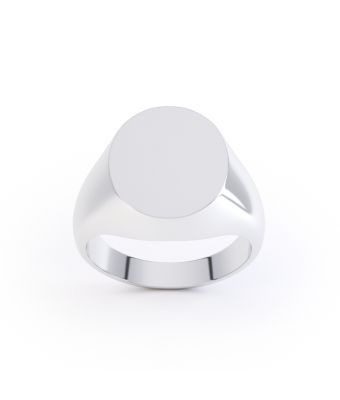
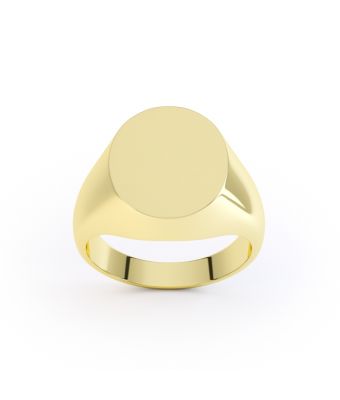
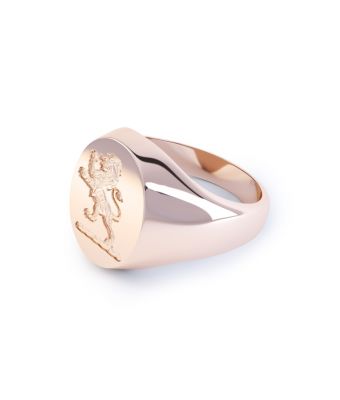
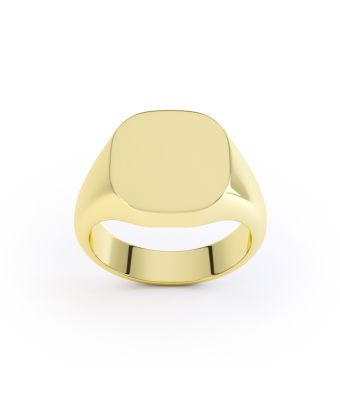
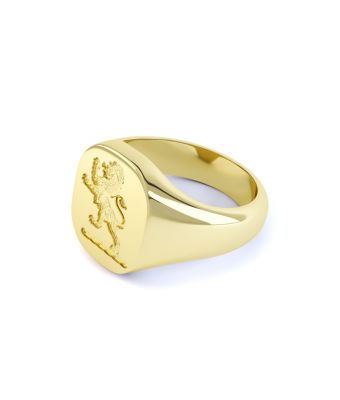
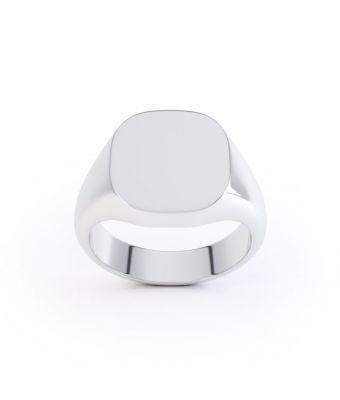
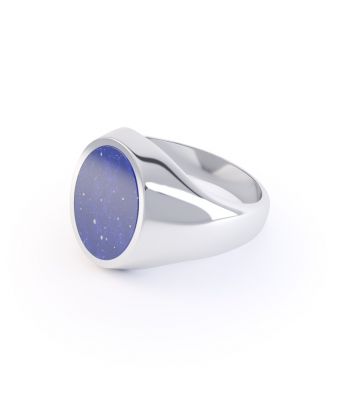
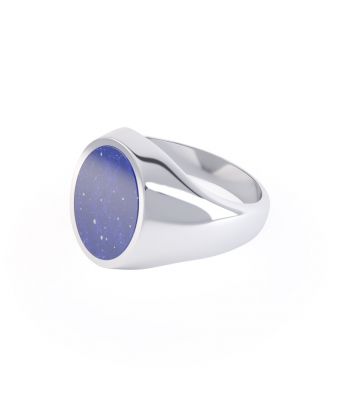
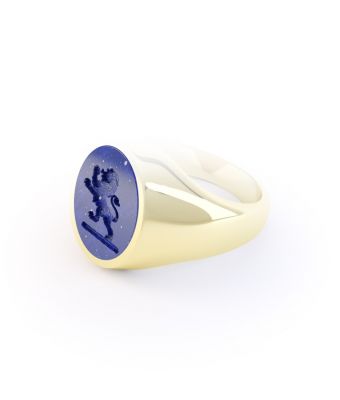
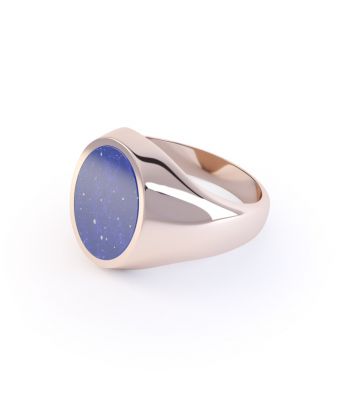
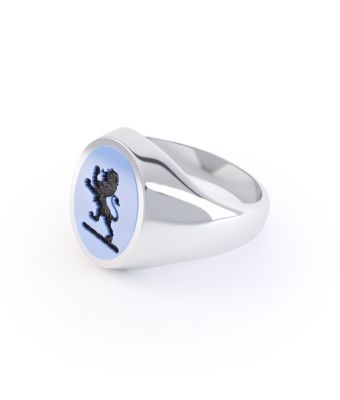
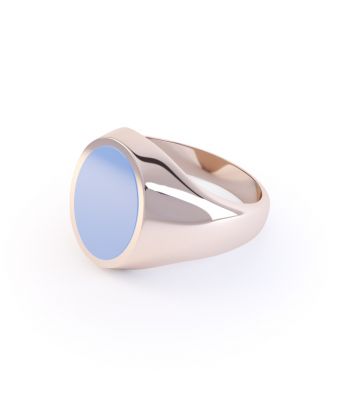
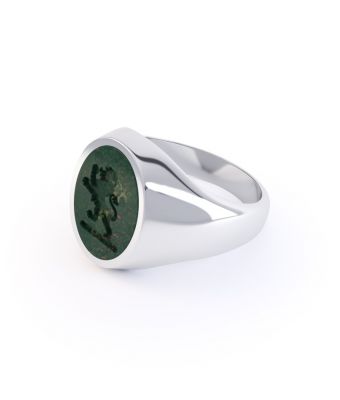
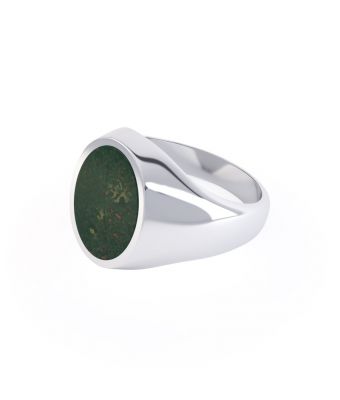
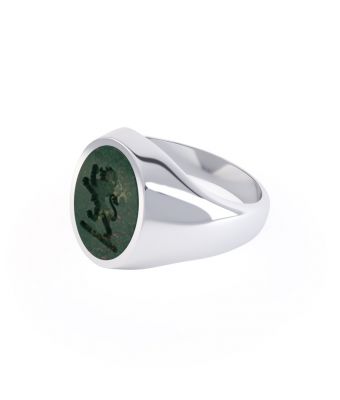
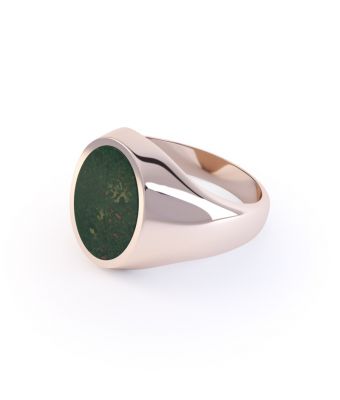
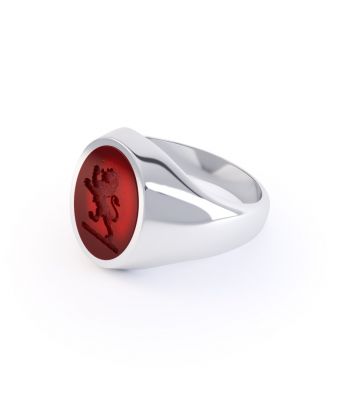
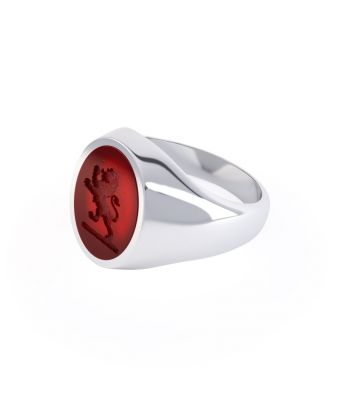
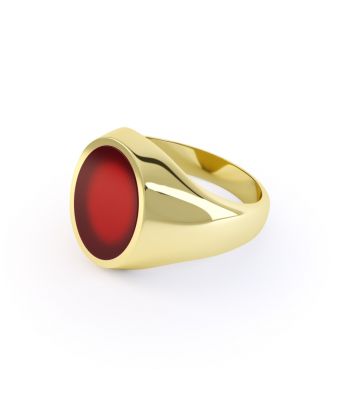
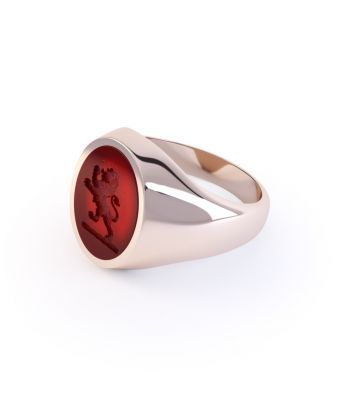
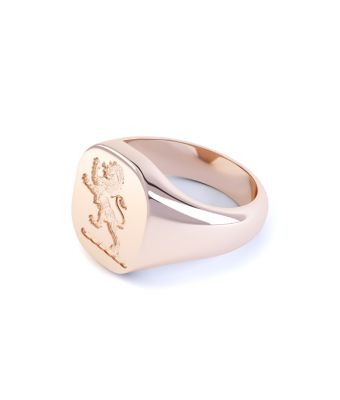
We offer three different styles of signet ring. Oxford Oval signet rings, Cushion signet rings and Oval Stone Set signet rings. Each of these come in a range of different head sizes and in a variety of different metals. All these options can be made in any finger size and all are suitable for seal engraving to make family crest signet rings, regimental signet rings or any other type. In addition they can be inscribed to the inside of the band with an additional message, dates or initials.

47 Items

Set Descending Direction
Your Questions Answered

Frequently Asked Questions

What is a signet ring?

A signet ring is a ring with a flat bezel — the engraving surface at the top — bearing a personal design such as a family crest, coat of arms, monogram or initials. Traditionally the design is carved in reverse so that when the ring is pressed into softened sealing wax, it creates a raised, legible impression: the original function of a signet ring. Hancocks has made and hand-engraved signet rings since 1849.

Read more: A Brief History of Signet Rings →

What finger is a signet ring traditionally worn on?

In the traditional British custom, a signet ring is worn on the little finger (pinky) of the non-dominant hand — typically the left hand for right-handed wearers. This tradition dates to the Middle Ages. In some Continental European countries the ring finger is preferred. Today there are no strict conventions and both men and women wear signet rings on whichever finger suits them.

Read more: How to Wear Your Signet Ring →

Can women wear signet rings?

Yes. Signet rings are worn by both men and women and Hancocks designs its range for all wearers. Smaller head sizes such as 10×8mm (ladies regular) and 12×10mm (ladies large) are particularly well suited to narrower fingers. All styles, metals and engraving options are available across the full range of UK finger sizes.

What is seal engraving?

Deep seal engraving is a traditional hand technique in which the design — a family crest, coat of arms, or custom artwork — is carved very deeply into the metal head of the ring in reverse. When pressed into softened wax, the impression reveals the correct, readable image. This technique applies to crest and artwork engraving. Initials are deeply engraved for display but are not reverse seal engraved in the same way. Hancocks has practised hand seal engraving since 1849 and includes a boxed wax impression with every engraved ring.

Read more: The Value of Hand Engraving →

What should I engrave if I don't have a family crest?

The most popular alternative to a family crest is a monogram of one, two or three initials. Other options include a regimental or school badge, a personal symbol, or custom uploaded artwork. Uploaded artwork is subject to approval of feasibility; very intricate designs such as a full Coat of Arms can only be engraved on the largest head size and carry an additional charge. Hancocks also maintains a searchable Crest Finder database — many families have a heraldic crest they may not be aware of.
Read more: What to Engrave if You Don't Have a Family Crest →

How long does it take to make a bespoke signet ring?

Orders are completed in approximately 6–8 weeks, with the exception of hardstone signet rings and any ring in platinum, which take 12–14 weeks. Hancocks will be in touch once your ring is ready to be dispatched or collected.

How are Hancocks signet rings made?

Hancocks signet rings are made by die-stamping — a sheet of solid, compressed precious metal is struck under a hydraulic press with steel dies, cutting out the ring shape and further compressing the metal for greater density and durability. A goldsmith shapes the blank into a perfect circle, solders the join and polishes the ring before it passes to the hand engraver. All rings are made from 100% recycled precious metal.

Read more: How Our Signet Rings Are Made →

How much does a bespoke signet ring cost?

Plain signet rings at Hancocks start from £430 in sterling silver, rising to £1,030 in 9ct gold, £1,630 in 14ct gold, £2,380 in 18ct yellow or rose gold, and £2,630 in platinum. Hardstone set rings start from £1,135. Engraving is priced separately: initials from £160 and family crest engraving from £320. Very intricate designs may carry an additional charge.

What is the difference between an Oxford oval and a cushion signet ring?

The Oxford oval is the most traditional English signet ring shape — an elongated oval head that has been the standard for centuries. The cushion shape has a squarer, softer-cornered head that gives a slightly bolder appearance. Both are suitable for seal engraving and available in the full range of metals.

Read more: Choosing Your Signet Ring Shape →

What stones can be set in a signet ring?

Traditional hardstones include lapis lazuli, black onyx, bloodstone, carnelian and sardonyx. These have been used for centuries for their hardness, depth of colour, and suitability for hand engraving directly into the stone. Hancocks offers all five set into 9ct gold, 18ct gold and platinum hardstone signet rings from £1,135.

Read more: An Introduction to Our Hardstone Gems →

What is the head size of a signet ring?

The head size is the dimension of the engraving surface at the top of the ring, measured in millimetres by length and width of the oval plate edge to edge. Hancocks Oxford oval rings are available in four sizes:

  • 10×8mm — Ladies regular
  • 12×10mm — Ladies large or Men's small
  • 14×12mm — Men's regular
  • 16×13mm — Men's large

The face of each ring is 2.1mm thick unengraved. Very intricate designs such as a full Coat of Arms can only be accommodated on the largest head size.

How do I find my ring size?

UK customers can request a free ring sizer by post via the contact form. Hancocks offers one complimentary finger size adjustment with each order, within a tolerance of three sizes up or down, provided the ring is returned within 28 days of collection or delivery.

Read more: Ring Size Conversion Chart →

Which metal is best for a signet ring?

18ct yellow gold is the most traditional choice and the most popular at Hancocks — rich warm colour, highest gold content of the standard carat options, and durable enough for everyday wear. 9ct gold is more affordable with a slightly lighter colour. Platinum is the most durable option but has a 12–14 week lead time. Sterling silver is available from £430. Rose gold and white gold offer elegant contemporary alternatives. All Hancocks rings are made from 100% recycled precious metal.

Have a question not answered here?

Contact Us